"Movement reflects our emotions — When the mind cannot"
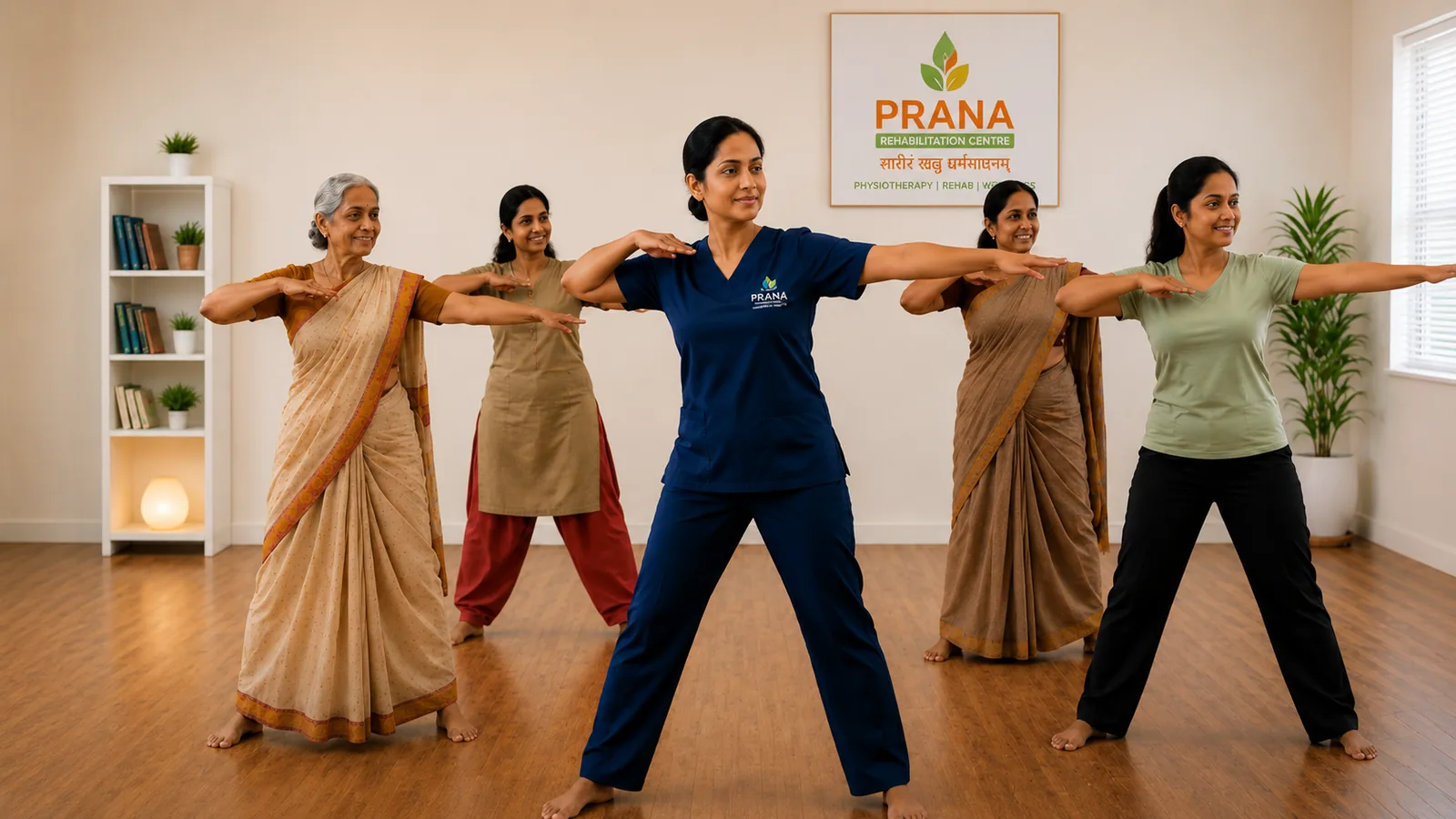
Dance Movement Therapy is a form of psychotherapy that uses movement and body expression to support emotional, cognitive, and physical well-being. It is based on the idea that the body and mind are deeply connected, and that movement can help express feelings that may be difficult to put into words. At our centre, we use Dance Movement Therapy as a creative and engaging approach to help individuals explore emotions, reduce stress, and improve overall mental health. It is suitable for children, adolescents, adults, and even caregivers.
In our centre, our psychologists guide individuals through structured and free-flow movement activities in a safe and non-judgmental environment. No dance experience is required — the focus is on expression, not performance.
How Dance Movement Therapy Helps
- Reduces stress, anxiety, and emotional tension
- Improves mood and emotional expression
- Enhances body awareness and self-confidence
- Supports social interaction and communication
- Helps release suppressed emotions in a healthy way
- Promotes relaxation and mental clarity
How Dance Movement Therapy Supports Neuroplasticity
Neuroplasticity is the brain's ability to form new neural connections through experience and learning. DMT stimulates this process through:
- Sensory–motor integration: Movement activates multiple brain areas, improving coordination between the brain and body
- Repetition and rhythm: Repeated rhythmic movements strengthen neural pathways
- Cross-body movements: Activities involving both sides of the body enhance inter-hemispheric brain communication
- Motor learning: New movement patterns help the brain create alternative neural pathways, especially after developmental delays or neurological conditions
- Attention and memory engagement: Structured movement sequences improve focus, sequencing, and working memory
Psychological Benefits of Dance Movement Therapy
DMT also strongly supports emotional and behavioral development:
- Emotional expression: Helps children express feelings non-verbally when words are limited
- Stress and anxiety reduction: Movement regulates the nervous system and emotional tension
- Improved self-confidence: Mastering movements builds self-esteem and body awareness
- Social interaction skills: Group activities improve communication, sharing, and cooperation
- Behavioral regulation: Helps improve impulse control and emotional regulation
Sessions may include simple movements, rhythm-based activities, breathing coordination, and guided expression exercises. Our psychologists may also help individuals reflect on their movements to understand emotional patterns and inner experiences. At our centre, Dance Movement Therapy is often integrated with counselling to provide a holistic approach to healing. It is especially helpful for individuals who find it difficult to express themselves verbally.
We ensure a comfortable, supportive, and confidential environment where individuals feel free to move and express without fear of judgment.
Healing is not always spoken — it is often moved, felt, and expressed through the body.