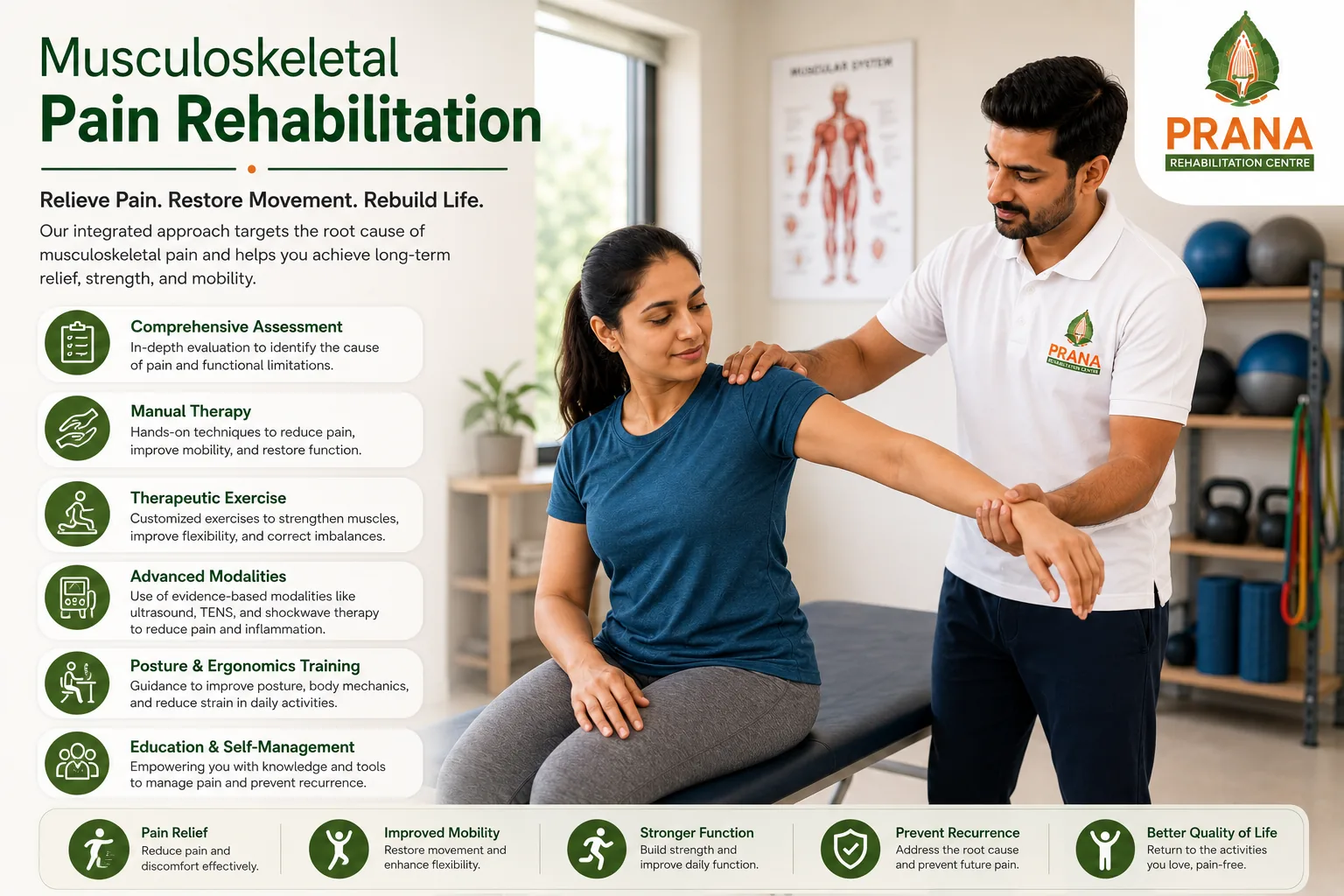
Musculoskeletal pain often begins as a small discomfort in the back, neck, shoulders, or joints, but gradually it starts influencing the way a person moves, works, and lives. Over time, simple daily activities such as bending, walking, sitting for long hours, lifting objects, or even sleeping comfortably may become difficult. What makes this condition more challenging is that the pain keeps returning even after temporary relief methods.
At Prana, we understand that musculoskeletal pain is not just a local problem — it reflects how the entire body has been functioning over time. That is why our Integrated Musculoskeletal Pain Rehabilitation approach brings together physiotherapy, clinical consultation, psychological support, and naturopathy-based care to address both the cause and impact of pain in a structured way.
Understanding the Real Origin of Musculoskeletal Pain
Musculoskeletal pain rarely develops overnight. It is usually the result of long-term muscle imbalance, poor posture habits, repetitive strain, sedentary lifestyle, and inefficient movement patterns. Over time, some muscles become overactive while others become weak, creating uneven stress on joints and soft tissues.
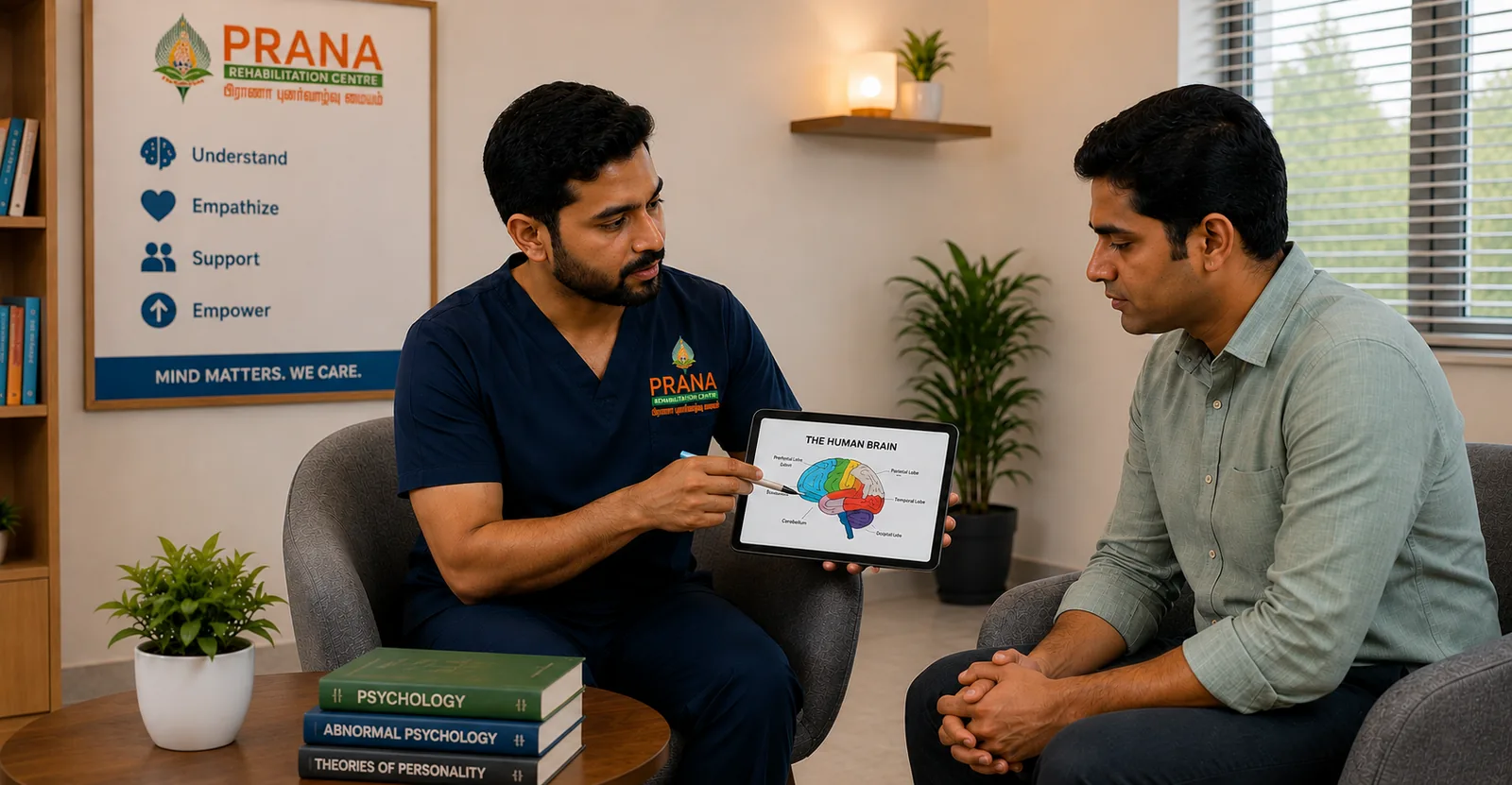
Instead of treating pain as an isolated symptom, we focus on understanding the complete movement system of the body. A proper clinical consultation helps identify deeper functional issues and guides the rehabilitation pathway in a meaningful direction.
Restoring Movement and Functional Control
A major focus of rehabilitation at Prana is restoring how the body moves in real life. Through detailed movement analysis, we observe posture, walking pattern, sitting alignment, bending mechanics, and daily activity performance. Physiotherapy is structured to correct these dysfunctions and improve coordination between muscles and joints. The goal is not just strength but smooth, controlled, and efficient movement that reduces unnecessary strain on the body.
As movement quality improves, pain naturally begins to reduce because the body stops overloading specific structures. One of the most common patterns in chronic musculoskeletal pain is fear of movement. When movement causes discomfort, people start avoiding activity. This leads to stiffness, weakness, and reduced flexibility, which further increases pain.
Rehabilitation at Prana focuses on gradually reintroducing safe movement so that the body rebuilds confidence in motion. Over time, patients begin to move more freely, with less hesitation and better control.
Lifestyle Patterns, Posture, and Daily Strain
Modern lifestyle habits are one of the strongest contributors to musculoskeletal issues. Long sitting hours, improper workstation setups, lack of movement breaks, and repetitive strain silently overload the body.
We guide patients in practical corrections such as:
- Improving sitting and standing posture
- Safe bending and lifting techniques
- Ergonomic workstation adjustments
- Regular movement breaks during long sitting hours
- Daily activity modification strategies
These simple corrections create long-term relief and help prevent recurrence.
Mind–Body Connection and Emotional Balance
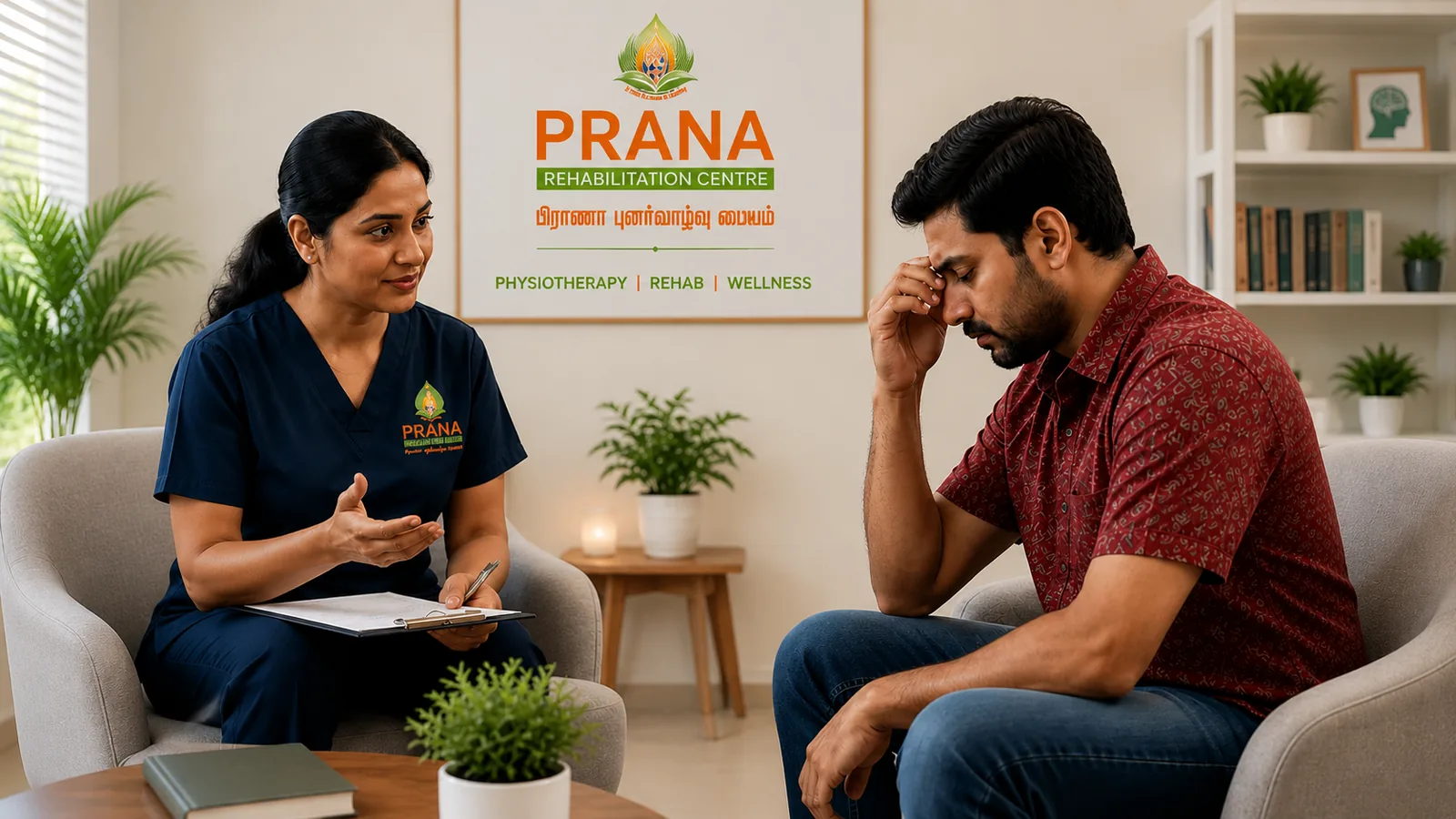
Musculoskeletal pain is not only physical — it also affects emotional well-being. Chronic discomfort often leads to stress, fatigue, irritability, disturbed sleep, and reduced motivation. This is where psychological support becomes an important part of rehabilitation. Managing emotional stress improves how the body responds to physical therapy and helps reduce muscle tension.
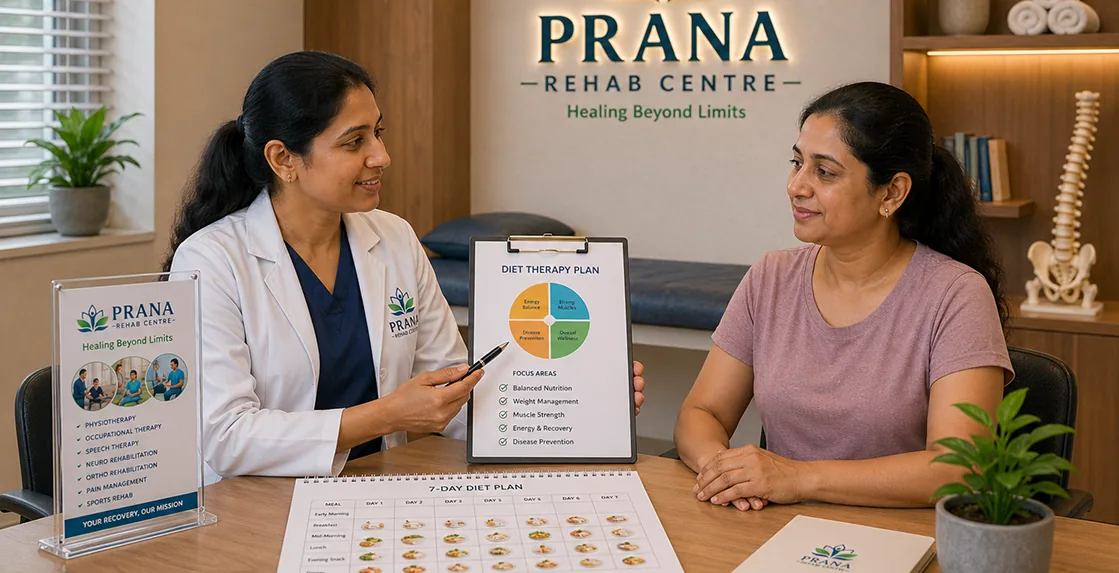
Along with this, naturopathy-based supportive care is included when needed, such as breathing exercises, yoga-based movement support, relaxation techniques, acupressure, mudra practices, and dietary guidance to enhance overall recovery.
What We Offer at Prana in Musculoskeletal Rehabilitation
- Detailed clinical consultation and movement analysis
- Physiotherapy-based functional correction programs
- Pain management through movement re-education
- Posture and ergonomic correction guidance
- Psychological counselling for stress and emotional support
- Naturopathy-based supportive therapies (yoga, breathing, relaxation, acupressure)
- Lifestyle modification and preventive care planning
- Long-term recurrence prevention strategies
As patients progress, they often experience better movement quality, reduced stiffness, improved posture control, and increased confidence in daily activities. The improvement is gradual but long-lasting because the root functional issues are addressed.
We help individuals move beyond chronic pain and rediscover comfort, stability, and effortless movement in everyday life.