"Proactive care for safer outcomes"
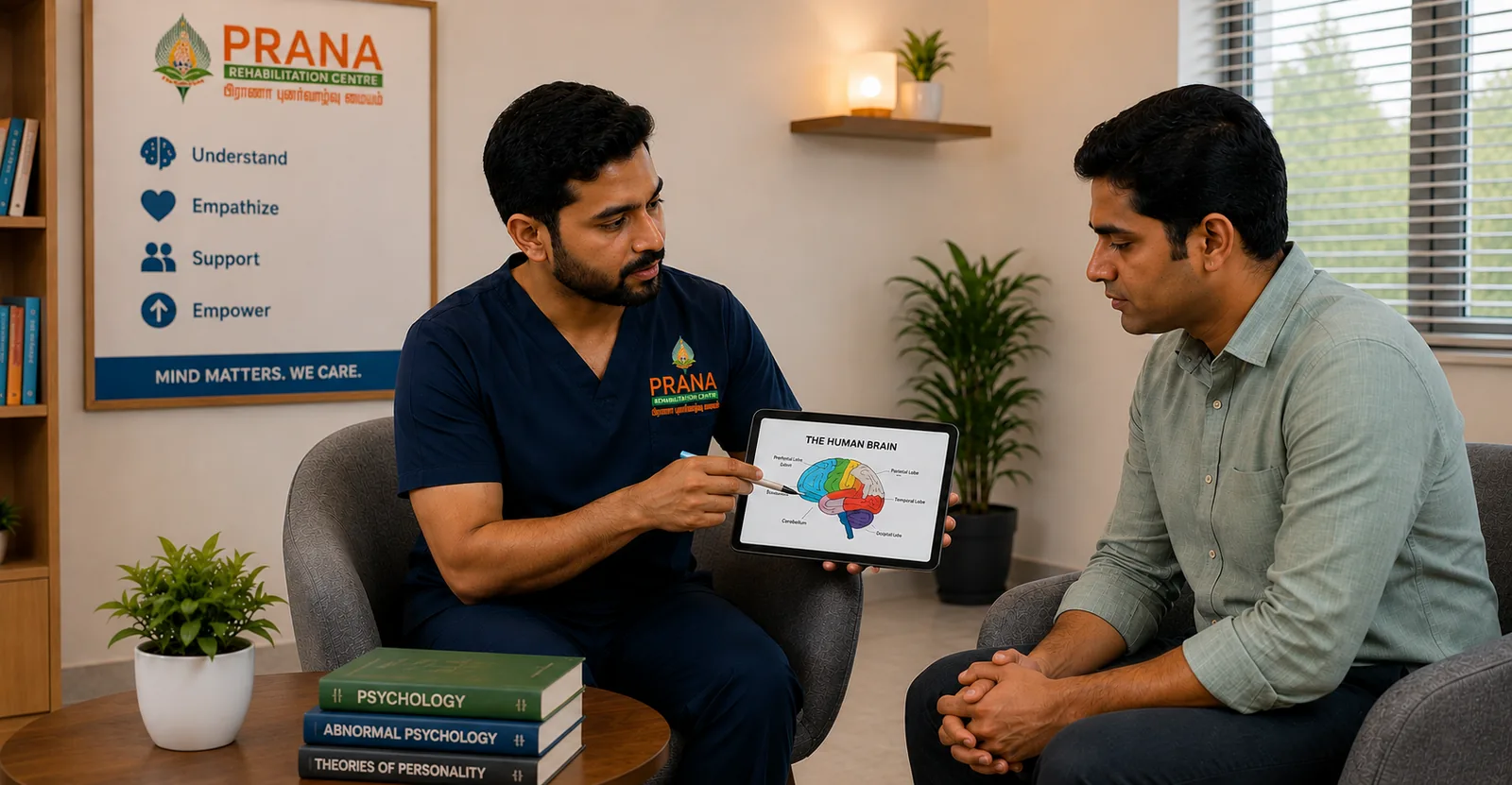
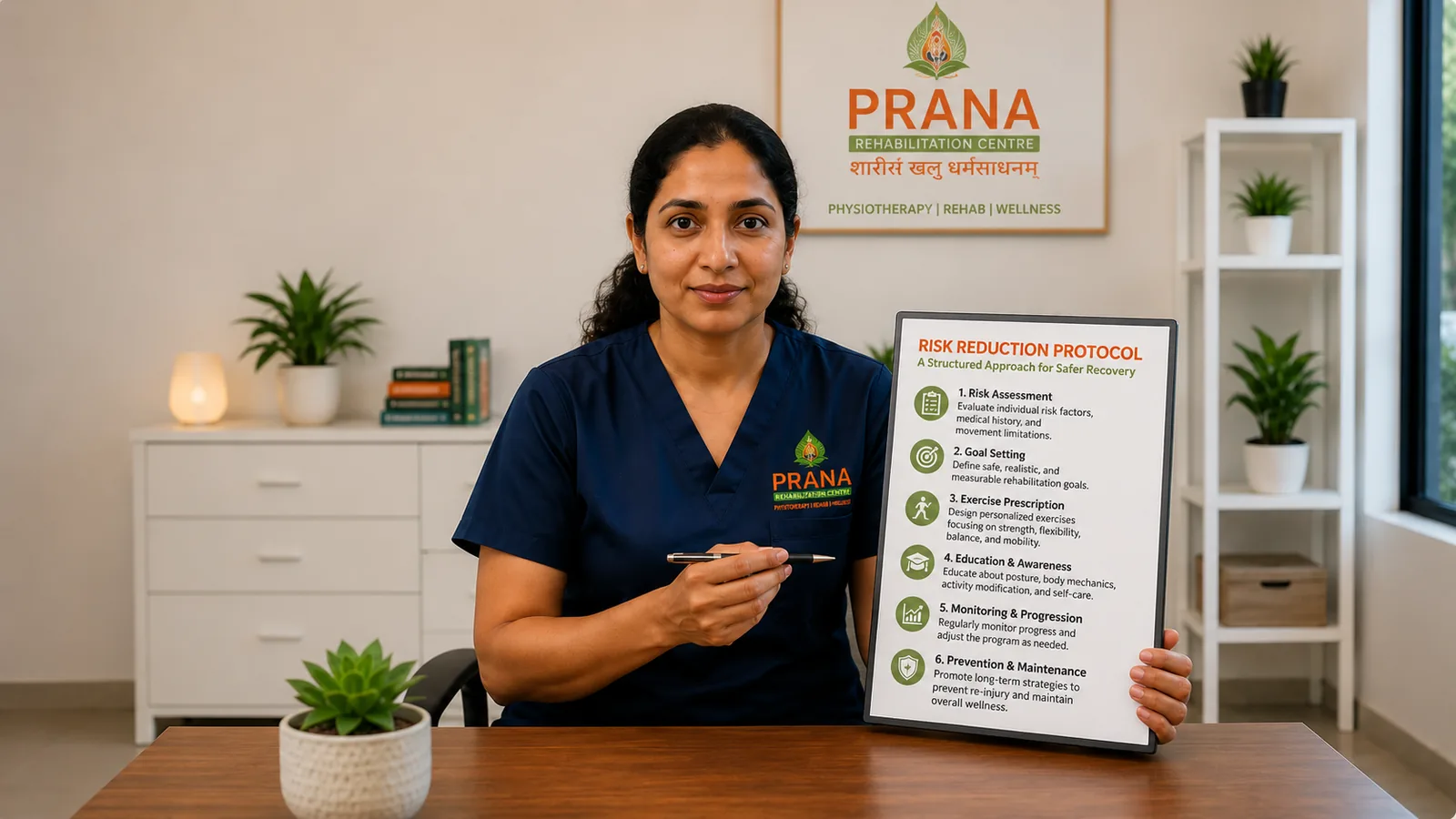
A risk reduction protocol is a practical approach to protecting your health and well-being by identifying potential risk and taking steps to minimize them. Instead of waiting for problems to arise, it focuses on prevention, it helps you make smarter, safer choices in your daily life. This can include simple actions like maintaining a balanced diet, staying physically active, managing stress, practicing good hygiene, and avoiding harmful habits such as smoking or excessive alcohol consumption. By consistently applying these strategies, a risk reduction protocol empowers individuals to take control of their health, reduce the chances of illness or injury, and build a safer, healthier lifestyle over time. We explain how the risk factors affects the health and also we give psychoeducation for the same.
Routine screenings help detect early signs of conditions that may contribute to, allowing for timely intervention. Monitoring weight, blood pressure, blood sugar, and cholesterol levels enables individuals to stay informed.
Finally, awareness of warning signs and seeking immediate medical attention can make a critical difference. Symptoms such as sudden weakness, difficulty speaking, vision problems, or severe headaches should never be ignored. Early response not only saves lives but also reduces the chances of long-term disability.
Why Health Education is important?
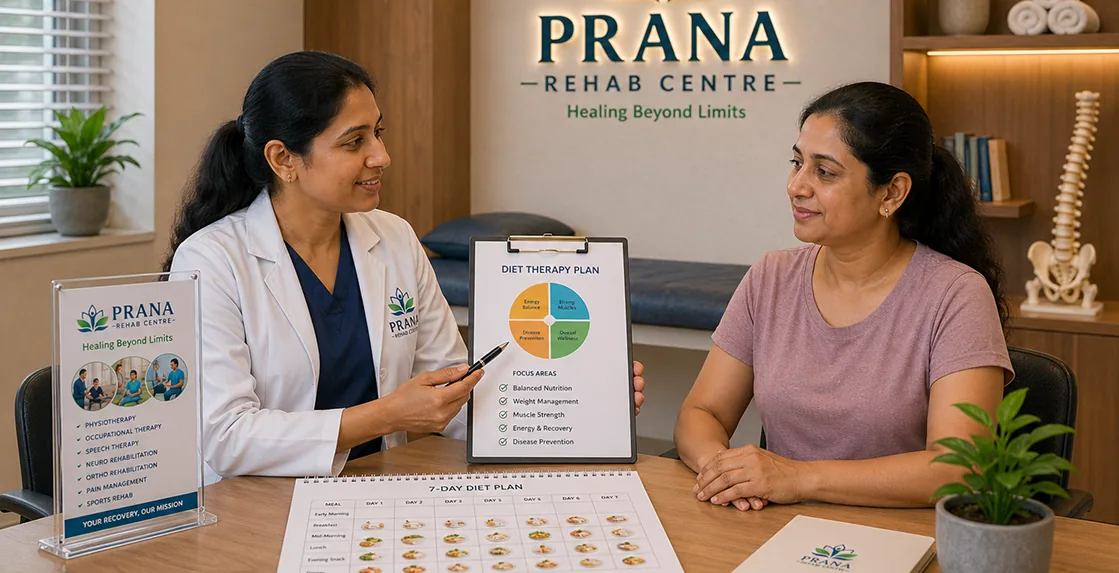
Health education plays a vital role in improving the overall well-being of individuals, families, and communities. It is not just about providing information — it is about empowering people to take control of their health through awareness, knowledge, and behaviour change.
1. Promotes Healthy Lifestyle
Health education helps individuals understand the importance of balanced nutrition, regular physical activity, adequate sleep, and stress management. It encourages habits that prevent diseases and improve quality of life. For example, learning about proper diet and exercise can reduce the risk of obesity, diabetes, and heart disease.
2. Prevents Diseases & Disorders
One of the primary roles of health education is disease prevention. It creates awareness about people to learn about hygiene, vaccination, safe food practices, and early warning signs, helping them avoid illness.
3. Disease Specific Risk Reduction
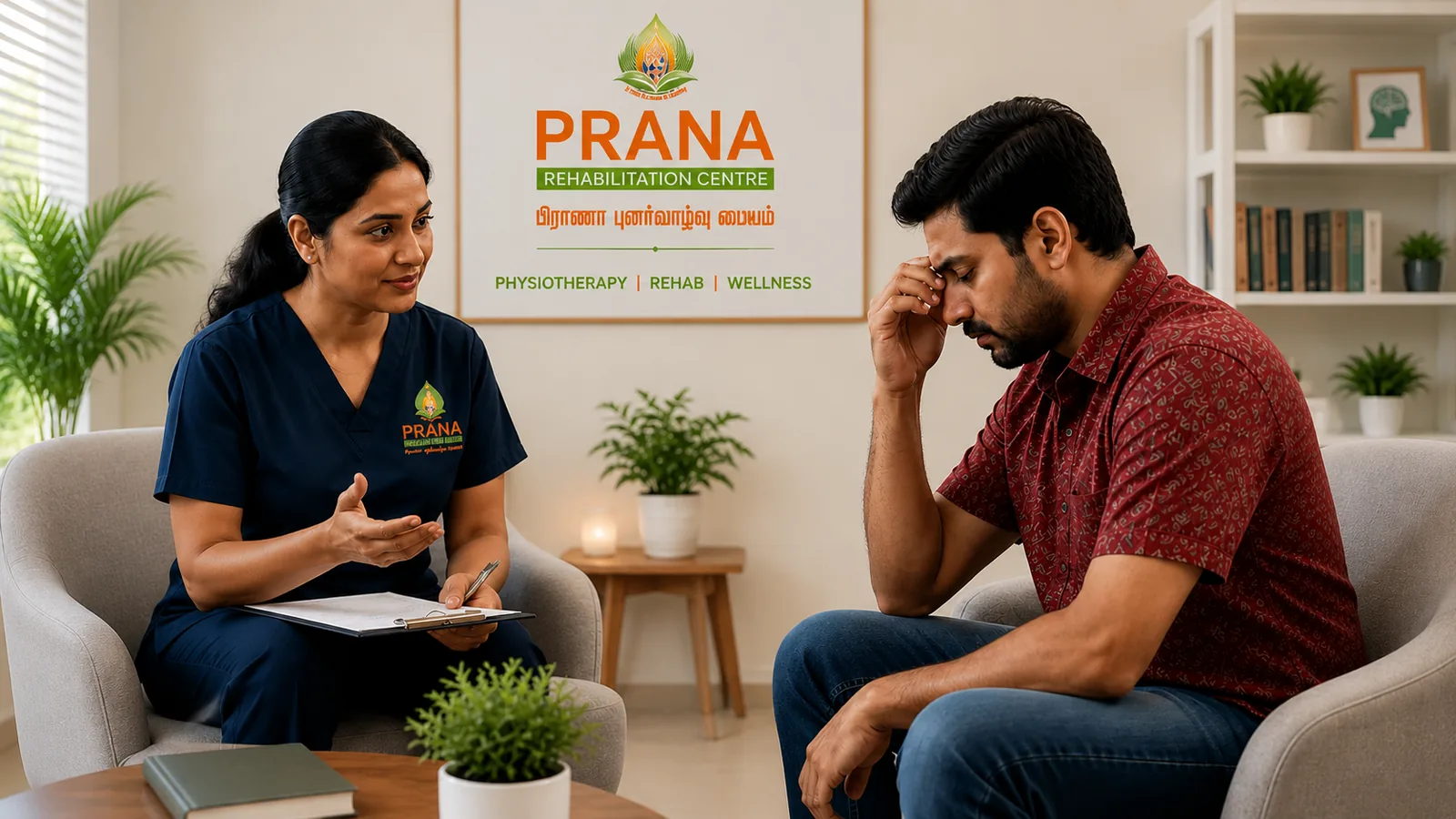
At our center, we focus on disease-specific risk reduction strategies. For example conditions like seizures, we educate individuals to identify early warning signs and seek prompt medical attention. We emphasize the importance of adhering to a long-term medication plan, often for around three years, along with adopting healthy lifestyle modifications, effective stress management techniques, and proper dietary habits to support overall well-being.
4. Reduces Risk Behaviours
It plays a key role in reducing harmful habits such as smoking, alcohol abuse, drug addiction, and unsafe sexual practices. Through counselling and awareness programs, people are guided toward healthier choices.
5. Improves Mental Health Awareness
Health education helps reduce stigma around mental health issues. It promotes understanding of stress, anxiety, depression, and coping strategies. This encourages individuals to seek help and support when needed.
6. Promotes Use of Health Services
It informs people about available healthcare facilities and services. This increases the utilization of preventive services like screenings, immunizations, and regular health check-ups.
7. Empowers Individuals
Health education empowers people to make informed decisions about their health. It builds confidence and responsibility toward maintaining personal and family health.
We covered a range of risk reduction protocols for conditions such as stroke (CVA, CVT, and TIA), headache, seizure, vertigo, tinnitus, Parkinson's disease, other degenerative disorders, myasthenia gravis, multiple sclerosis, tremor, and anxiety. However, for detailed illustration, stroke was selected as the example to demonstrate how the protocol is implemented and to highlight the risk factors we focus on in practice.