"Prana Rehab - Every Minute Matters in stroke care"
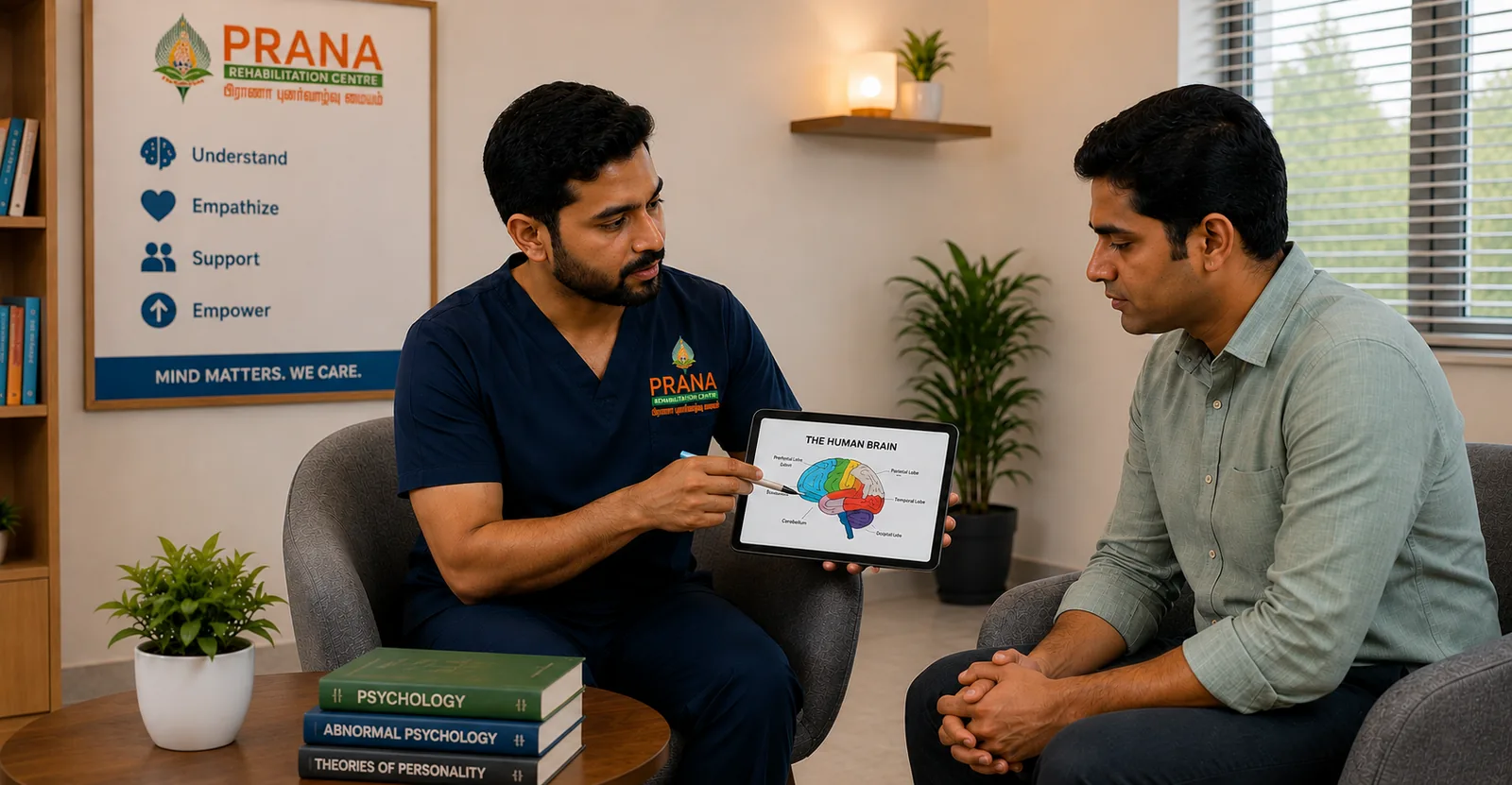
Even in the modern era many of the patients were affected by recurrent stroke because they were not aware of the risk factors. We the psychologists were educate the person with the risk factors like medical conditions such as high blood pressure, diabetes, and high cholesterol through regular monitoring and proper treatment. Adopting healthy habits like eating a balanced, low-salt diet, engaging in regular physical activity, maintaining a healthy weight, and avoiding smoking and excessive alcohol consumption, plays a crucial role.
A stroke can occur suddenly and without warning, but in many cases, the risk can be significantly reduced through consistent and informed lifestyle choices. A well-structured risk reduction protocol for stroke focuses on identifying modifiable risk factors and taking proactive steps to manage them. By understanding how daily habits and medical conditions influence brain health, individuals can greatly lower their chances of experiencing a stroke.
Controlling High Blood Pressure
One of the most important elements of stroke prevention is controlling high blood pressure, which is the leading risk factor for stroke. Regular monitoring and adherence to prescribed medications are essential for keeping blood pressure within a healthy range. Alongside this, managing chronic conditions such as diabetes and high cholesterol is equally important. Elevated blood sugar and cholesterol levels can damage blood vessels over time, increasing the likelihood of blockages or clots that may lead to a stroke.
Healthy Diet
A healthy diet plays a crucial role in reducing stroke risk. Consuming a balanced diet rich in fruits, vegetables, whole grains, lean proteins, and healthy fats can help maintain optimal body function. Reducing salt intake is especially important, as excessive sodium can raise blood pressure. Limiting processed foods, sugary beverages, saturated fats, and palm oil usage also contributes to better cardiovascular health and lowers the risk of stroke.
Physical Activity
Physical activity is another key component of a stroke risk reduction protocol. Engaging in regular exercise, such as walking, cycling, or swimming, helps improve blood circulation, maintain a healthy weight, and reduce stress. Even moderate levels of activity, when done consistently, can have a significant positive impact on overall health and stroke prevention.
Avoiding Harmful Habits
Avoiding harmful habits is equally critical. Smoking is a major risk factor for stroke, as it damages blood vessels and increases the likelihood of clot formation. Quitting smoking can rapidly improve health and reduce stroke risk over time. Similarly, limiting alcohol consumption is important, as excessive drinking can raise blood pressure and contribute to other health complications.
Stress Management
Stress management is often overlooked but plays an important role in stroke prevention. Chronic stress can negatively affect blood pressure and heart health. Practicing relaxation techniques such as meditation, deep breathing, or yoga can help maintain emotional balance and reduce overall risk. Ensuring adequate sleep is also essential, as poor sleep patterns are linked to increased cardiovascular problems.
Impact of Screen Time before Bed on Stroke Risk
Excessive screen use before bedtime does not directly cause a stroke, but it increases risk by disrupting sleep, raising stress levels, and promoting unhealthy habits. Blue light exposure interferes with melatonin, leading to poor sleep, which is linked to hypertension. It also encourages a sedentary lifestyle, elevates blood pressure, and contributes to metabolic issues, all of which can indirectly increase stroke risk over time.