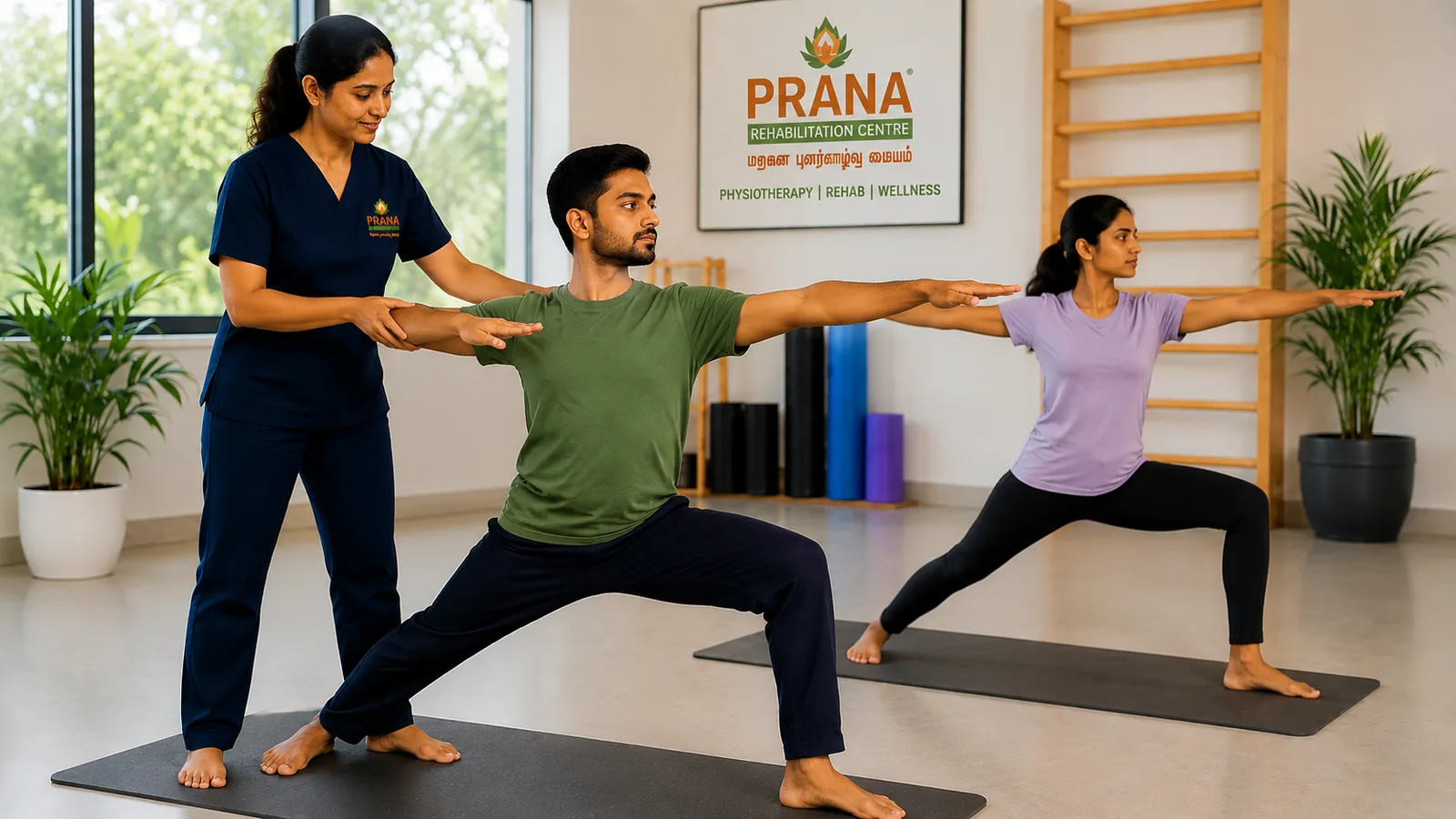
“My Body is temple & asana are prayer”
Sthiram Sukham Asanam
Yogasana refers to the physical postures practiced in yoga that help align the body, mind, and breath. The word “Yoga” from Sanskrit means union, and “Asana” means posture. In simple terms, Yogasana is a system of body positions designed to improve physical health, mental clarity, and inner balance. Each posture is practiced with controlled breathing and awareness, making it more than just exercise—it is a holistic discipline.
History
The roots of Yogasana trace back thousands of years to ancient India. It is mentioned in early spiritual texts like the Vedas and later systematically described in Patanjali’s Yoga Sutras (around 200 BCE). Patanjali defined yoga as an eight-fold path (Ashtanga Yoga), where asana is one of the key components. Initially, yogasanas were practiced mainly by sages and spiritual seekers to prepare the body for meditation. Over time, especially in the 20th century, yoga evolved into a global wellness practice focusing on health, fitness, and stress relief.
Types of Yogasana
- Standing Asanas – Improve strength, balance, and flexibility (e.g., Tadasana, Trikonasana).
- Supine Series Asanas – Relax the body and reduce stress (e.g., Shavasana, Bhujangasana).
- Prone Series Asanas – Help strengthen the back muscles, improve spinal flexibility, enhance posture, and stimulate abdominal organs (e.g., Bhujangasana, Shalabhasana).
- Inverted Asanas – Improve blood circulation and focus (e.g., Sarvangasana, Shirshasana).
- Sitting Asanas – Enhance posture and calmness (e.g., Padmasana, Vajrasana).
- Twisting Asanas – Increase spinal flexibility and detoxification (e.g., Ardha Matsyendrasana).
Mechanism of Yogasana in the Body
Yogasana acts on the body through the coordinated interaction of physical postures (asanas), controlled breathing (pranayama), and focused mental awareness. Unlike ordinary exercise, yoga creates a synchronized response between the body, brain, and nervous system, producing both physical and psychological benefits. When a posture is practiced with proper breathing and concentration, multiple physiological systems are activated simultaneously, leading to improved internal balance and functional efficiency.
Musculoskeletal System
The stretching and controlled contraction of muscles during yogasana improve flexibility, muscle strength, endurance, posture, and joint mobility. Sustained postures help release muscular tension, correct postural imbalances, and enhance spinal alignment and stability.
Nervous System
Slow, mindful movements combined with deep breathing stimulate the parasympathetic nervous system, also known as the “rest and relaxation” response. This reduces sympathetic overactivity, lowers stress levels, calms the mind, improves concentration, and enhances mind–body coordination. Yoga also supports neuroplasticity and emotional regulation.
Circulatory and Cardiovascular System
Various yogic postures improve blood circulation and venous return, enhancing oxygen and nutrient delivery to tissues and organs. Relaxation-based practices may help regulate heart rate and blood pressure, supporting cardiovascular health and reducing physical stress on the body.
Respiratory System
Breath-synchronized movements increase lung expansion, strengthen respiratory muscles, and improve oxygen exchange. Controlled breathing techniques enhance respiratory efficiency, increase vital capacity, and promote better energy utilization within the body.
Endocrine System
Certain asanas influence endocrine gland activity, including the thyroid, adrenal, pancreas, and pituitary glands. This may help maintain hormonal balance, improve metabolic regulation, and support the body’s stress-response mechanisms.
Digestive and Metabolic Function
Twisting, bending, and abdominal compression postures gently massage internal organs, improving digestion, bowel movement, circulation to abdominal organs, and metabolic efficiency. Yoga may also help regulate appetite and energy balance.
Mental and Emotional Well-being
The meditative aspect of yoga promotes mindfulness, emotional stability, mental clarity, and relaxation. Regular practice may reduce anxiety, fatigue, and psychological stress while improving overall quality of life.
Why Yogasana Should Be Practised Under a Therapist
Practising yogasana under the guidance of a trained therapist helps ensure safety, correct technique, and maximum therapeutic benefit. Every individual has different physical abilities, medical conditions, flexibility levels, and health needs, so professional supervision helps tailor the practice appropriately.
- Ensures Correct Posture and Alignment:
A therapist guides proper body positioning, reducing the risk of strain, muscle injury, or incorrect movements. - Prevents Complications:
Certain asanas may not be suitable for people with conditions such as hypertension, spinal disorders, arthritis, neurological problems, pregnancy, or recent surgery. A therapist modifies poses safely according to the individual’s condition. - Provides Personalized Practice:
Therapeutic yoga is adapted based on age, fitness level, pain, flexibility, and medical history to achieve better outcomes. - Improves Breathing and Technique:
Proper coordination of breathing, movement, and relaxation is essential for the full benefits of yoga and is best learned under supervision. - Enhances Therapeutic Benefits:
Guided practice can help improve pain management, posture, stress reduction, balance, mobility, and overall rehabilitation outcomes more effectively. - Supports Mind–Body Awareness:
A therapist helps individuals practice mindfulness, relaxation, and body awareness safely and effectively, especially in patients with stress-related or neurological conditions.
“At Prana Center, Yogasana is viewed not merely as exercise, but as a therapeutic mind–body practice that promotes holistic healing and wellness. By integrating posture, breath, and awareness, yogasana supports physical strength, mental calmness, emotional balance, and overall functional health. We encourage yogasana as a pathway toward balance, prevention, rehabilitation, and a healthier quality of life.”
“My body is a temple and asanas are prayer.”